Paragraph Test BOLD text
Test Strikethorugh text
Test Subscript text
Test Superscript text
| Header1 | Header2 | Header3 |
| Content1 | Content 2 | Content3 |
| Footer1 | Footer2 | Footer3 |
[z_taxonomy_image term_id="16" size="medium" link="yes"]Paragraph Test BOLD text
Test Strikethorugh text
Test Subscript text
Test Superscript text
| Header1 | Header2 | Header3 |
| Content1 | Content 2 | Content3 |
| Footer1 | Footer2 | Footer3 |
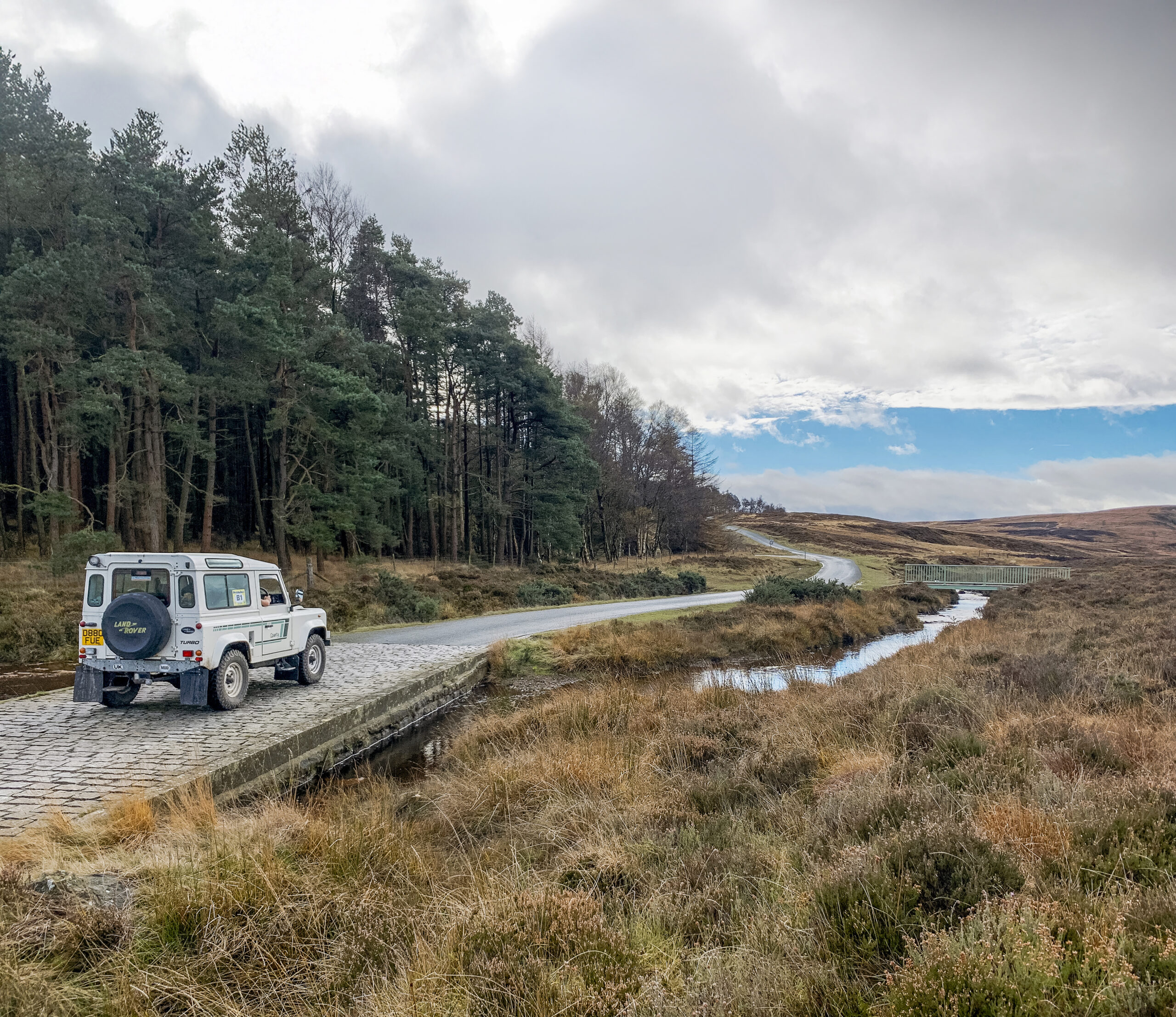
TESTING 1234 for its vast but sometimes bleak moorland landscapes, there’s much more to the North York Moors than meets the eye. While heather covers much of the landscape, few know that the North York Moors hold one of the largest concentrations of ancient and veteran woodlands in northern England.
Woodland and forests cover about 23% of the national park and this means it is home to an array of wildlife; it is a European Special Protection Area for merlin and golden plover, meaning it is internationally renowned as a sanctuary for a range of ground nesting birds.
Covering 554 square miles, the land contained within the national park has a chequered past, and it is this that gives the area its unique appeal; the national park authority’s main priority is the conservation and preservation of not only environmental heritage but cultural heritage too.
Much of the expansive heather moorland is land that was razed by Iron and Bronze Age settlers, who cleared the woodlands to build earthworks. This was then farmed by Medieval monks who built many of the abbeys that punctuate the valleys of this landscape, and which stand as ruinous relics of the dissolution of the monasteries throughout the Tudor period.
Cutting through this array of English cultural heritage is the North York Moors (NYM) railway; an example of the scope of Victorian industrial expansion which opened in 1836 and created a line linking Pickering with Whitby. Today, the NYM heritage railway charity operates the steam trains that run daily up and down this line, having rescued it in 1973 following the Beeching closure of 1965.
The autumnal glow on the green lane heading to Egton Bridge
Still, it would be remiss not to mention it, chiefly since the park boundary hugs the outskirts of the town. Of the beautiful villages within the park authority, our favourite is Robin Hood’s Bay. We had both spent significant time there throughout our childhood, so it felt only natural that this would be our base for a long weekend of exploring the national park in late October. We chose a quaint fisherman’s studio apartment in the heart of the village, with stunning views across the bay and the crooked roofs of ancient cottages.
For the Yorkshire Land Rover community, Robin Hood’s Bay has long-held value; my husband Tom Benson talked of trialling events in the 80s and 90s taking place at Bayness Farm above the village.
THomas Famed for its vast but sometimes bleak moorland landscapes, there’s much more to the North York Moors than meets the eye. While heather covers much of the landscape, few know that the North York Moors hold one of the largest concentrations of ancient and veteran woodlands in northern England.
Woodland and forests cover about 23% of the national park and this means it is home to an array of wildlife; it is a European Special Protection Area for merlin and golden plover, meaning it is internationally renowned as a sanctuary for a range of ground nesting birds.
Subtitle
Qoute of the day
Subtitle Heading 1 Heading 2 Heading 3 Qoute of the day

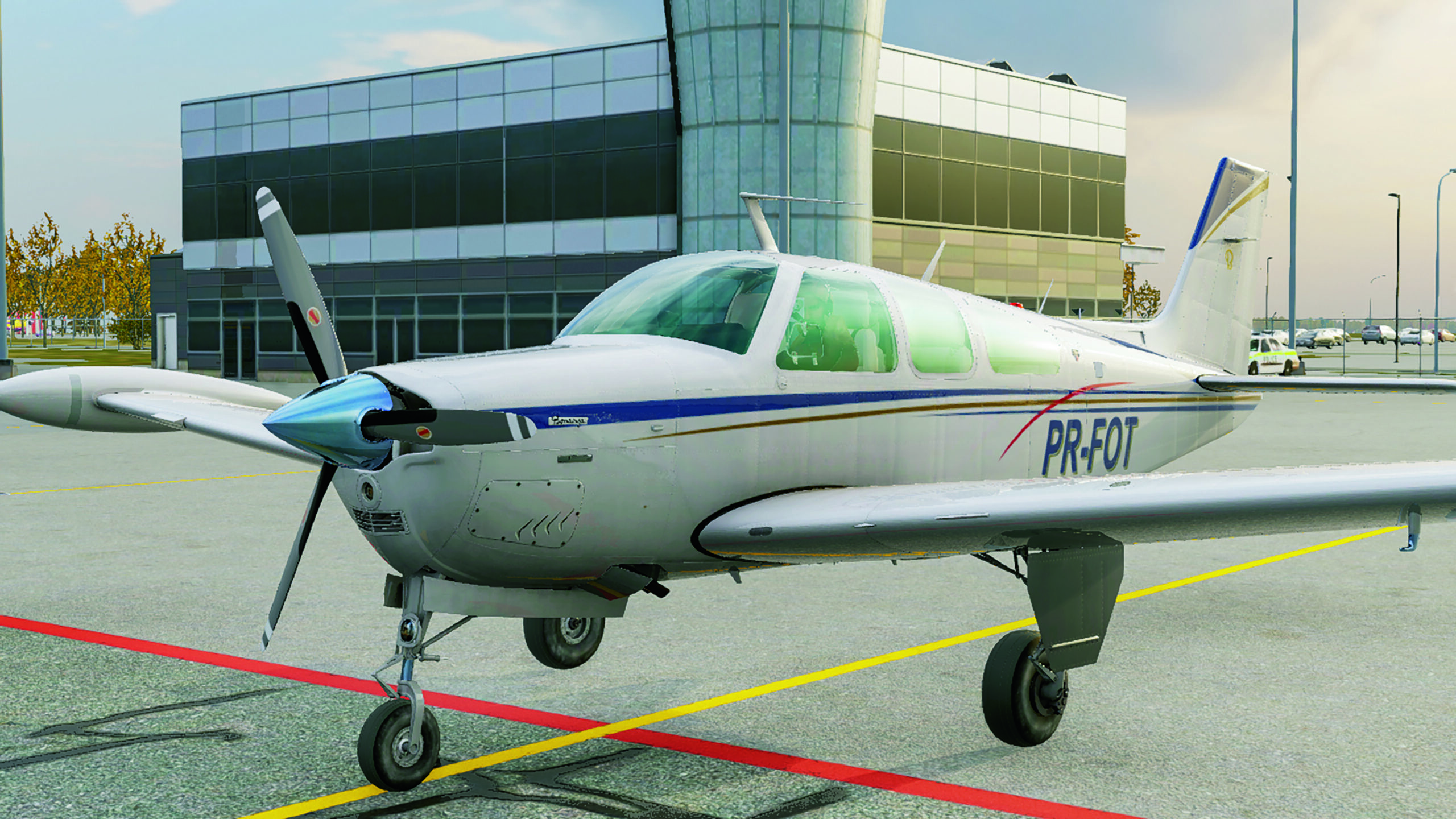
F33A Review – A deep dive into this iconic tourer for X-Plane pilots
I’ll start my review by saying that this aircraft is not just for general aviation enthusiasts. Airliner fans and dedicated simmers will appreciate this meticulously crafted, training-level aircraft packed with immersive details, developed by Thranda as part of its renowned Dynamic Generation Series (DGS).
What do you get at first glance? It’s a single-engine aircraft with ample space for passengers and cargo alike – the 8K-quality exterior textures are stunning, and you can easily adjust the realism level to match your preferences.
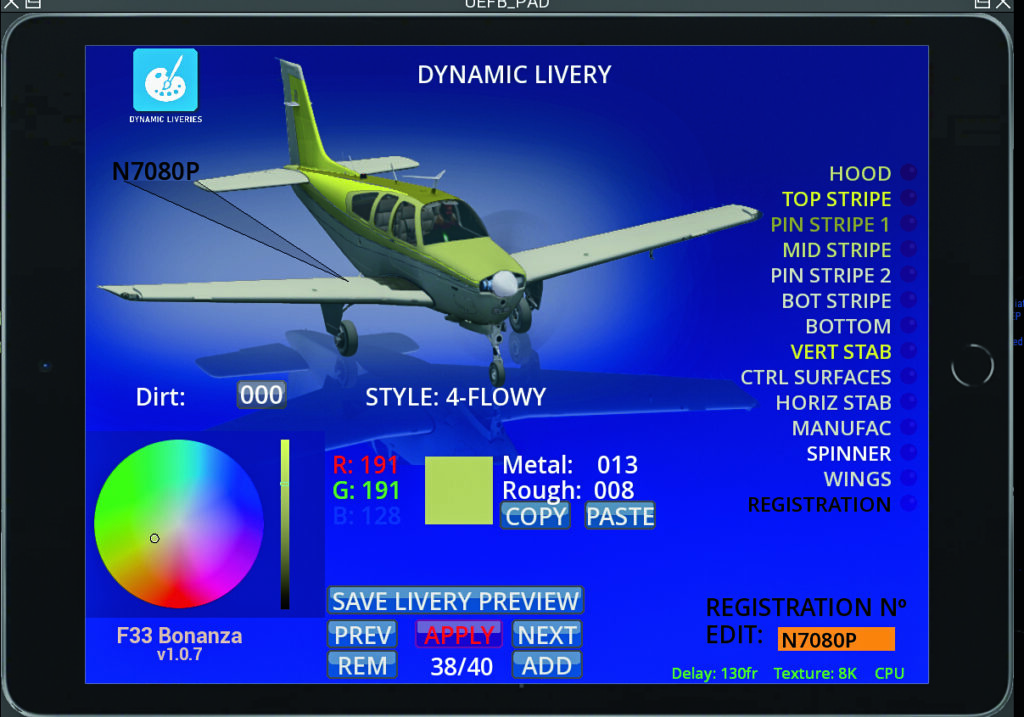
The aircraft includes a range of static liveries, and even lets you create your own designs directly within the simulator using the EFB. It offers multiple instrument panel layouts, or the flexibility to design your own, along with seamless integration with third-party avionics, realistic sound design, detailed lighting and an intuitive weight and balance setup.
Updates are applied effortlessly. Ideal for training or short-haul flights, this aircraft supports advanced navigation systems and ILS approaches. I’ve been flying it since its release last September, now on version 1.0.7, which is the latest as of this article’s publication. We’ll cover as many details and features as possible in this review.
The aircraft
The Beechcraft Bonanza F33A was produced between 1970 and 1995, with approximately 1,800 units built during its run. It’s a versatile, high-performance single-engine aircraft featuring a conventional straight tail design (Ed: as opposed to the V-Tails on the Model 35s) and is powered by a Continental IO-520-BA engine delivering 285 horsepower. It offers a spacious cabin that can comfortably accommodate up to six passengers.
Thranda’s rendition of the Bonanza includes five seats along with a small cargo compartment, striking an ideal balance between utility and comfort. Notable highlights include its refined handling characteristics, impressive cruise speed for its class (ranging between 172 and 182 knots) and a service ceiling of 18,000 feet. Let’s take a closer look at its standout features.
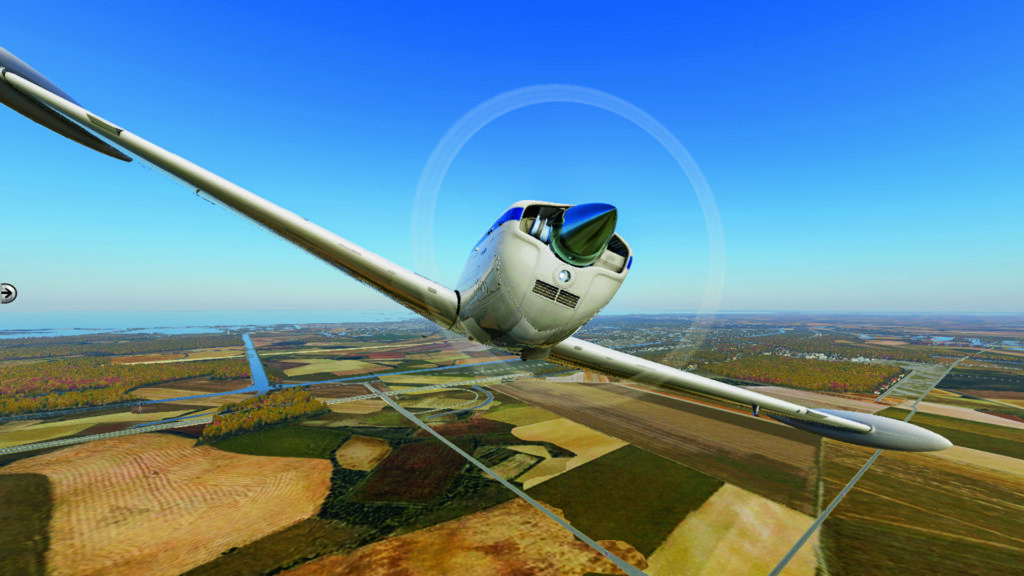
Customisable instruments
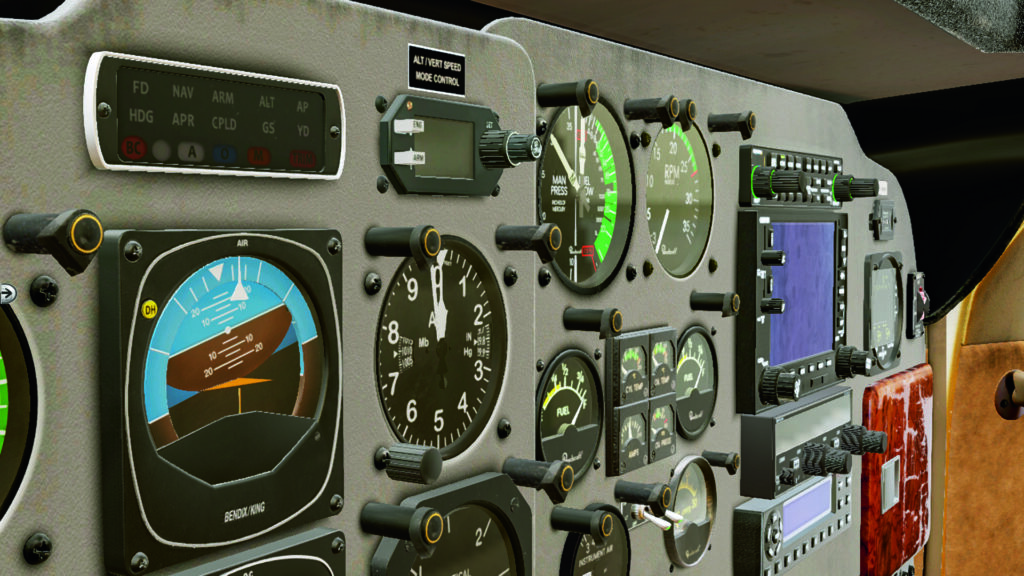
The aircraft is shipped with a fully customisable instrument dashboard with multiple preset layouts, catering to both classic analog enthusiasts and fans of modern glass cockpit designs. Pilots can choose between traditional steam gauges or the sleek Garmin G1000 avionics suite, ensuring there’s something to suit every preference. Beyond that, users can freely rearrange instruments, swap their positions and save personalised layouts as custom presets.
Modern navigation aids are also well represented, with the inclusion of the GNS540 and GNS430 modules, all accessible through the enhanced EFB design interface. Furthermore, these configurations fully support third-party avionics systems such as the GTN750Xi and GTN650 from TDS and RealityXP.
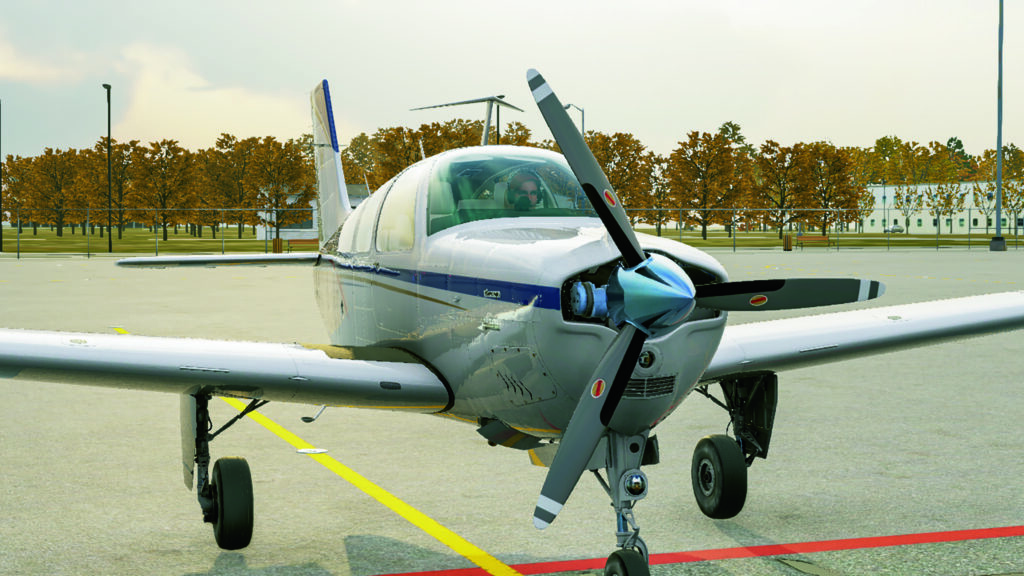
Flying the Bonanza
As expected from X-Plane, the Bonanza delivers outstanding flight model realism and authentic aerodynamic behaviour. It responds naturally to changes in weight and balance, such as when the fuel load is uneven, it subtly banks towards the heavier side.
The nature of the Bonanza means that it performs exceptionally well under both VFR and IFR flight rules. I enjoy relaxed, low-altitude cross-country flights, safe in the knowledge that the plane can tackle full IFR procedures with ease. It supports a range of precision approaches – the included Garmin G1000 suite can be selected from the EFB, while the analog cockpit supports GPS navigation via the GNS units and third-party avionics such as the RealityXP or TDS GTN750Xi and GTN650 modules, both featuring intuitive touchscreens. Note that the GTN750/650 packages are sold separately by their developers.
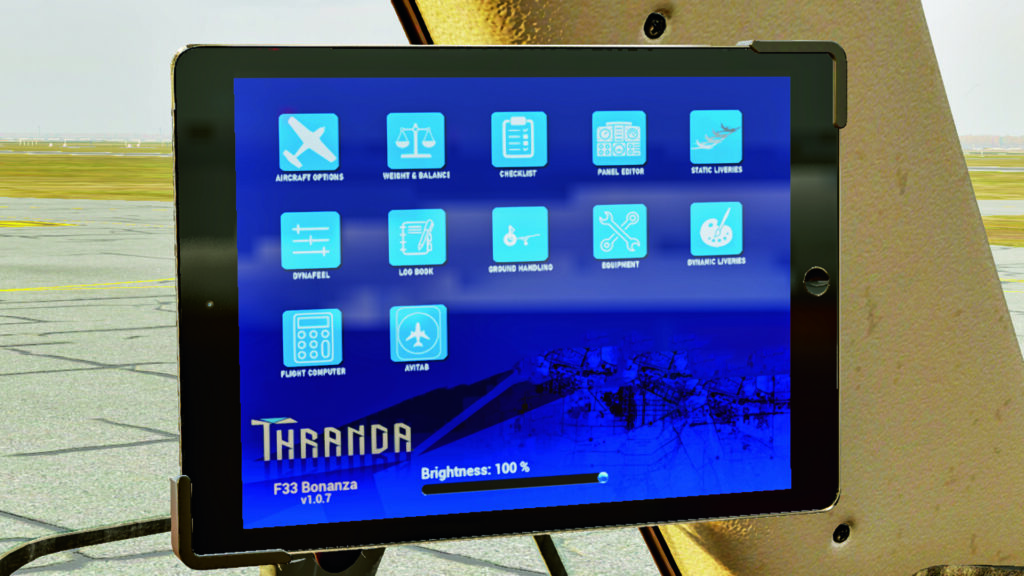
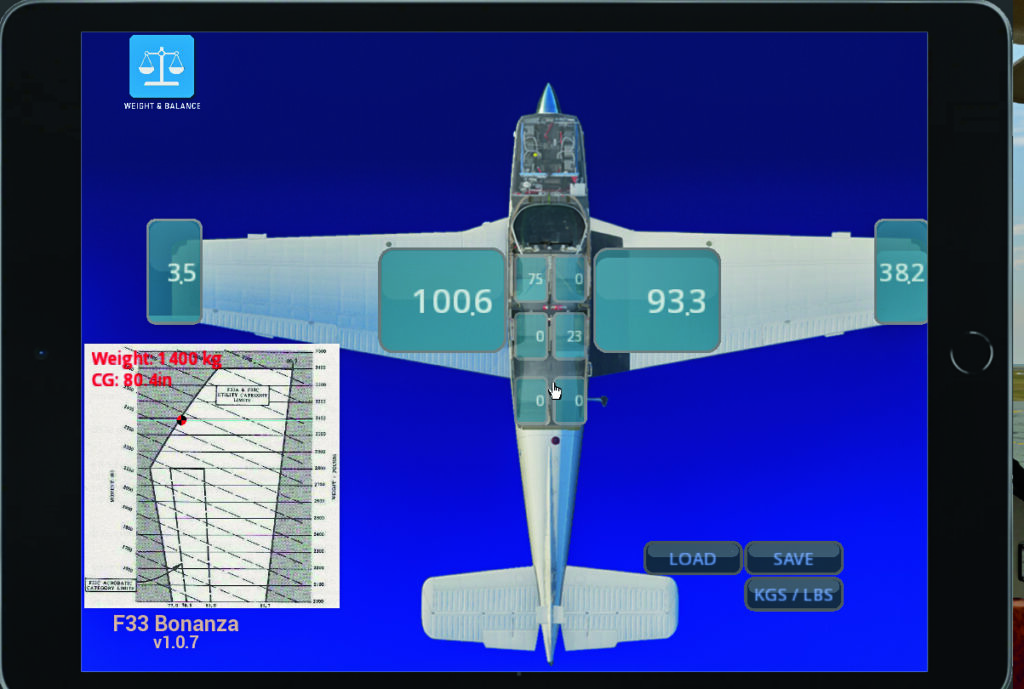
With just a few clicks, the EFB lets you manage a wide range of aircraft settings and features. You can open doors and hatches, attach a mini GPU or a small pushback tug, customize your dashboard layout, create and apply liveries, adjust weight and balance, and operate the AviTab plugin, all from one intuitive interface.
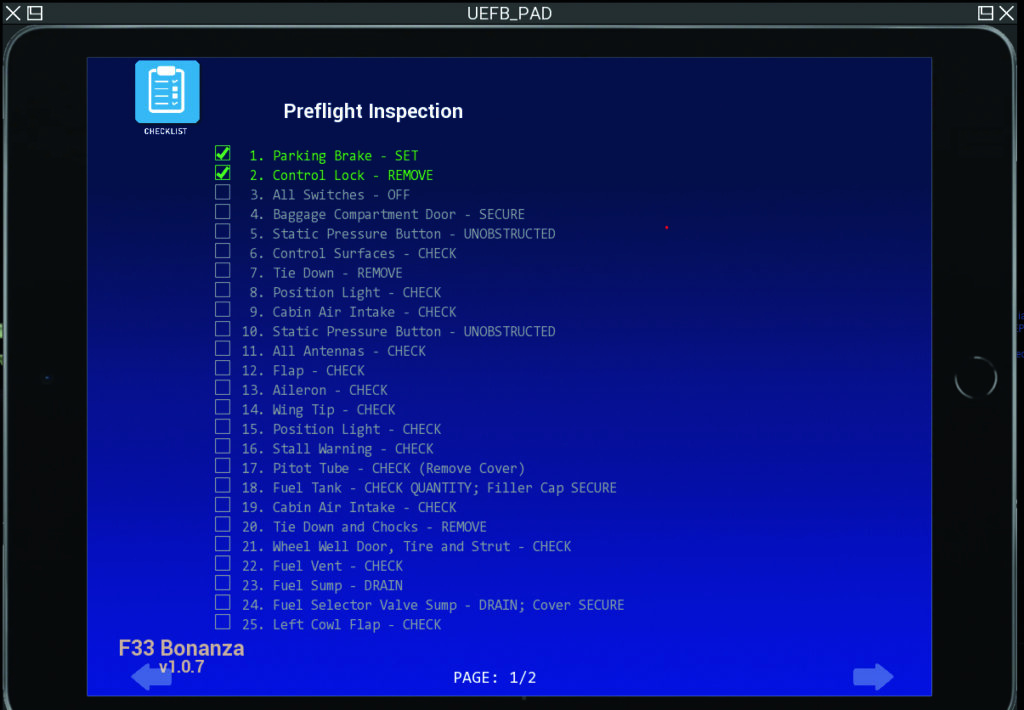
A great feature that adds an extra touch of realism is the inclusion of complete operational checklists, conveniently accessible through the EFB. These interactive lists, featuring tick boxes, guide you through every phase of flight – from cold and dark startup all the way to shutdown – ensuring a smooth, authentic workflow that mirrors real-world procedures.
The main fuel tanks are housed within the wings, offering ample capacity for long-distance flights. For those wanting to stretch their range even further, optional wingtip tanks can be attached to provide extra fuel. However, this realistic add-on comes with a trade-off — just like in the real aircraft, the added weight and drag affect performance and balance. Uneven fuel distribution may even cause a subtle roll towards the heavier wing, a detail that perfectly captures real-world physics.
X-Plane’s audio capability shouldn’t be underestimated, and the Bonanza F33A delivers exceptional audio fidelity. From the multi-layered engine sounds to the crisp clicks of cockpit switches and the subtle rush of wind over the fuselage, powered by the FMOD sound engine, every detail has been well captured. The result is an immersive experience, especially when flying in VR. However, I found the sound level to be a bit low inside the cockpit, which is an area that Thranda could enhance in future updates.
Difficulty sliders
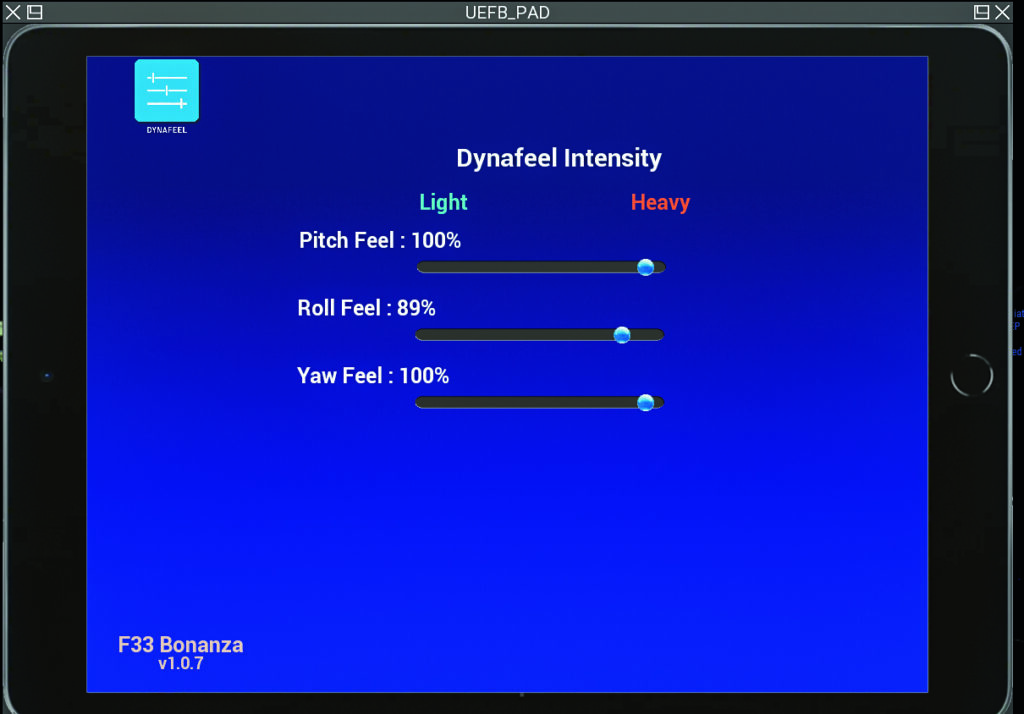
With Thranda’s innovative DynaFeel feature, you can fine-tune the aircraft’s aerodynamic realism on a scale from “Zero to Hero.” This system allows you to adjust pitch, roll, and yaw sensitivity from 0% – ideal for beginners seeking smooth, forgiving controls – up to 100%, which delivers maximum realism suited for experienced simmers and student pilots.
Beyond enhancing realism, DynaFeel helps you match the control response to your specific hardware and is a sophisticated system that captures the nuances of increasing aerodynamic forces with increasing airspeed, allowing you to recreate this effect for a range of controllers. For example, I found 100% roll sensitivity ideal with the Honeycomb Alpha yoke’s smooth roll axis, while a 80% setting worked better with the stiffer Thrustmaster Boeing yoke.
A custom dream
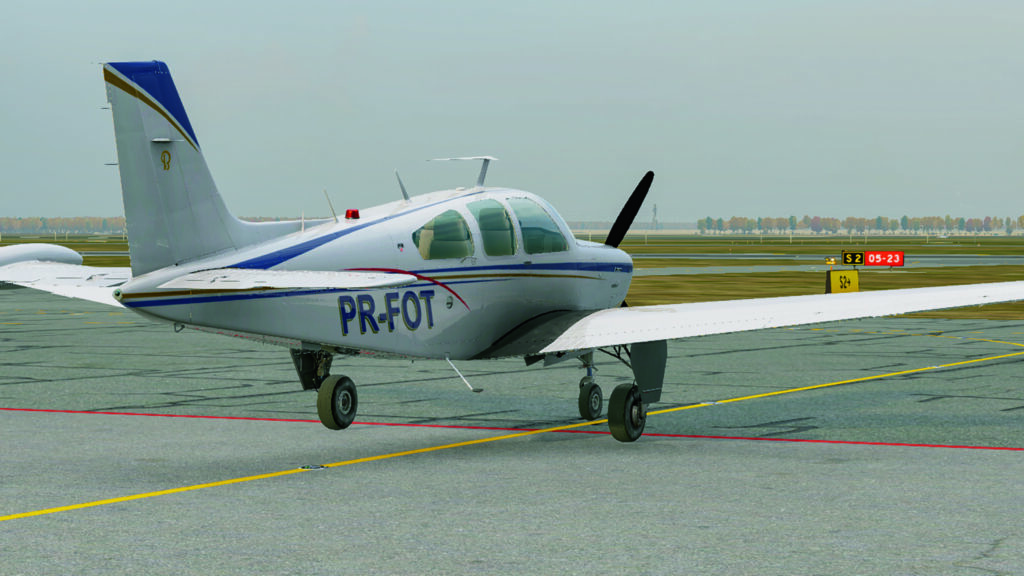
he Bonanza arrives with an impressive livery package, delivering a strong blend of ready-made schemes and deep customisation tools. Out of the box you’ll find five default liveries, each modelled on actual country-registered aircraft, giving you a good variety of finishes straight away, but beyond that, the in-sim editor offers dynamic livery creation and editing. You can not only edit tail-numbers (or disable them altogether) but also build your own paint schemes from scratch: choosing any colour for any available segment of the airframe, adjusting metallic vs matte finishes, introducing varying levels of dirt or wear and tear, and previewing your results in real-time before committing them.
The customisation depth is significant: for example, the editor supports export of your custom livery in multiple resolutions (4k, 2k, 1k) and gives you the choice of using your CPU or GPU for processing, depending on your system. The tail number is rasterised directly into the texture (rather than relying on a decal overlay) which means your registration appears in-scheme and saves correctly. The inclusion of built-in dirty/grime control and metalness/roughness sliders extends the realism further: you could realistically simulate a year-old private Bonanza or a freshly painted one, and switch between them at will.
The customisation options also work well against XP12’s lighting engine. The Bonanza’s exterior lighting is impressively well done, featuring bright, realistic lights including powerful taxi lights that make navigating dimly lit airfields easy. The landing lights are equally strong, and the navigation lights stand out clearly during night operations.
Flying in VR
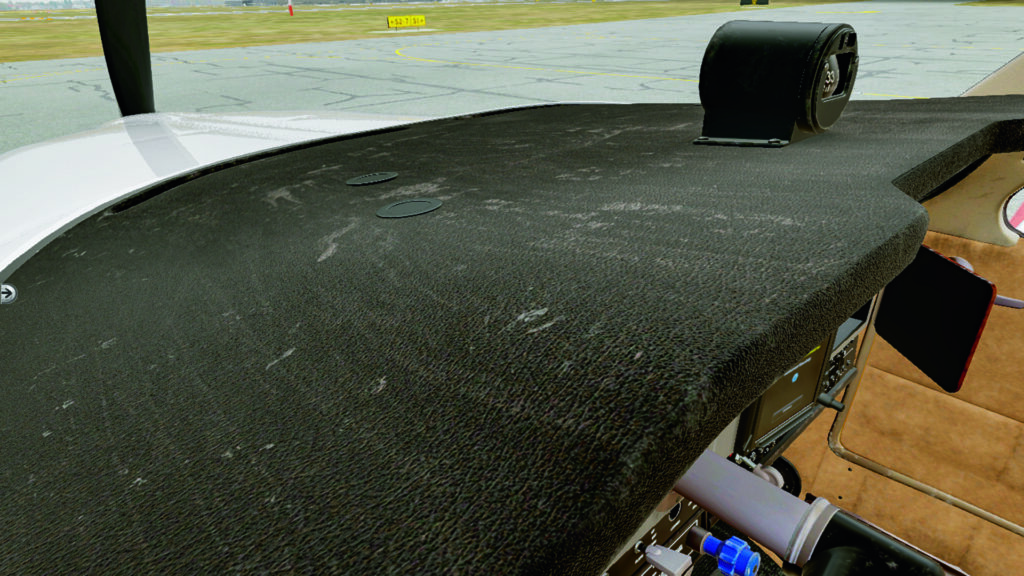
Flying the Bonanza in VR is an entirely different experience – I rarely return to 2D mode. The interior textures look stunning, and the view of the detailed left wing right out of my left window adds impressive realism. Operating cockpit controls is intuitive using a mouse or VR controllers, though digital screens like the EFB can’t be interacted with directly.
Fortunately, there’s an easy workaround: pop out the desired screen, manage it externally, then close it again. Personally, I’ve assigned yoke and panel buttons to handle these pop-out functions seamlessly.
Conclusion
The longest trip I’ve flown in this aircraft was from Amsterdam Schiphol (EHAM) to London City Airport (EGLC), a smooth, sub-two-hour IFR flight (around 200nm) with an ILS approach that worked flawlessly. Most of my regular flying, though, is training takeoffs and landings at Teuge (EHTE), a charming small Dutch airport (and home to FSWeekend!). One of my favorite short hops, whether under VFR or IFR, is to Lelystad Airport (EHLE), with a simple flight plan prepared in SimBrief and seamlessly imported into my TDS avionics module.
Priced under $40 during promotions, this aircraft delivers outstanding value for the level of realism and attention to detail it offers. In fact, I’d argue it’s worth more than its tag price. As always, Thranda continues its tradition of keeping their aircraft both high-quality and surprisingly affordable.
I’d highly recommend this aircraft for both training and leisure flights. Whether you’re practising procedures, enjoying the scenery on short hops, or seeking a calm, relaxing flight, it performs beautifully. Even in challenging weather, you can count on it to handle precision approaches with confidence and realism; the customisation options on the panel and with the livery generator ensure there’s plenty of variation on offer.
Famed for its vast but sometimes bleak moorland landscapes, there’s much more to the North York Moors than meets the eye. While heather covers much of the landscape, few know that the North York Moors hold one of the largest concentrations of ancient and veteran woodlands in northern England. Woodland and forests cover about 23% of the national park and this means it is home to an array of wildlife; it is a European Special Protection Area for merlin and golden plover, meaning it is internationally renowned as a sanctuary for a range of ground nesting birds. Covering 554 square miles, the land contained within the national park has a chequered past, and it is this that gives the area its unique appeal; the national park authority’s main priority is the conservation and preservation of not only environmental heritage but cultural heritage too. Much of the expansive heather moorland is land that was razed by Iron and Bronze Age settlers, who cleared the woodlands to build earthworks. This was then farmed by Medieval monks who built many of the abbeys that punctuate the valleys of this landscape, and which stand as ruinous relics of the dissolution of the monasteries throughout the Tudor period. Cutting through this array of English cultural heritage is the North York Moors (NYM) railway; an example of the scope of Victorian industrial expansion which opened in 1836 and created a line linking Pickering with Whitby. Today, the NYM ‘There is technically only one town within the boundary of the national park’ heritage railway charity operates the steam trains that run daily up and down this line, having rescued it in 1973 following the Beeching closure of 1965. The North York Moors is steeped in history spanning centuries and its diverse landscapes are an ode to the way it has adapted and thrived throughout the years. The park itself covers 26 miles of rugged Yorkshire and Cleveland coastline, encompassing some of North Yorkshire’s prettiest villages. When asked about the North York Moors, many assume that Whitby is its most popular destination, and while it may be true that this is
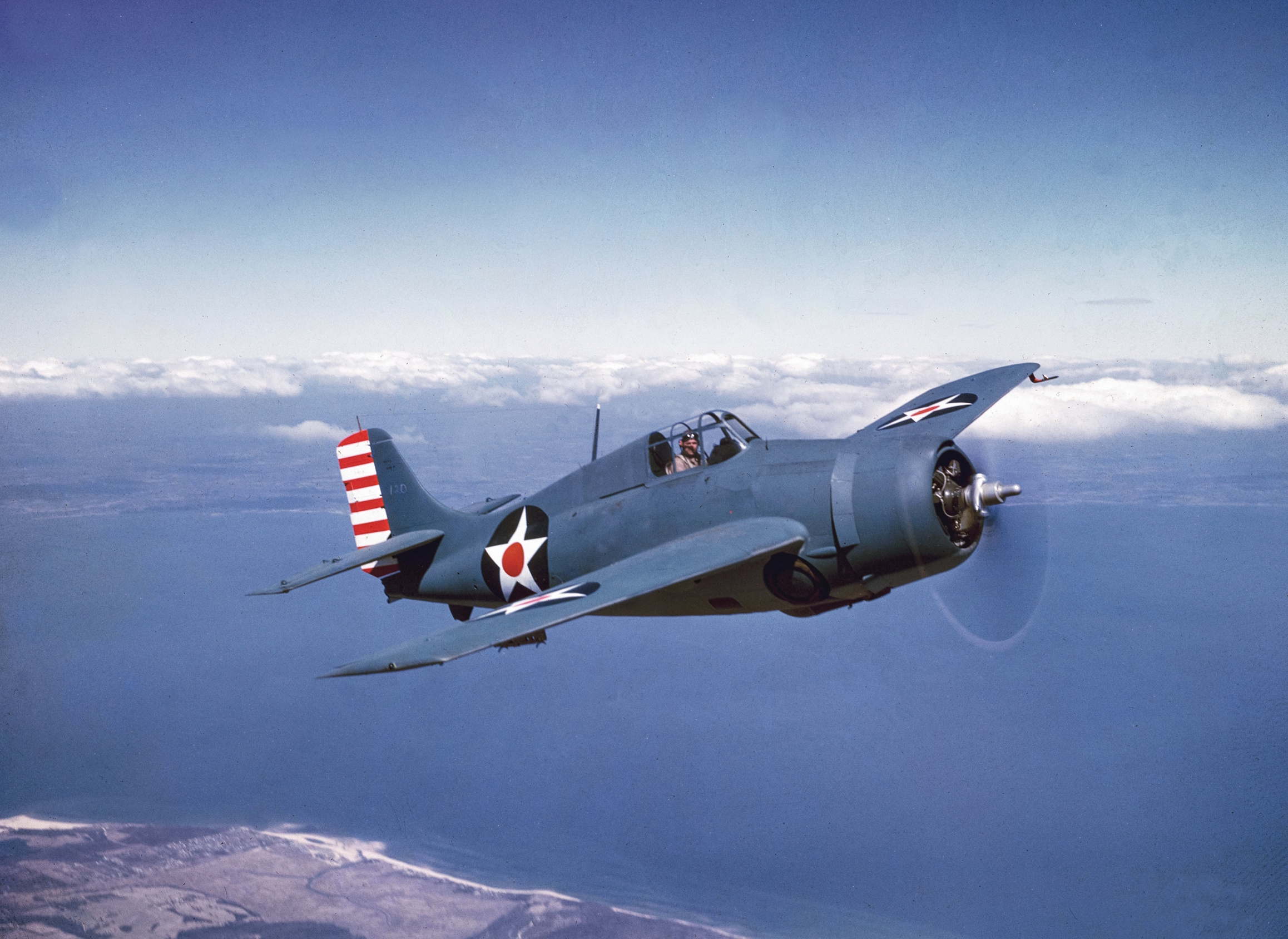
The Grumman Aircraft Engineering Corporation of Bethpage, New York, was a major supplier of combat aircraft for the US Navy from the early 1930s. Originally founded in late 1929, from its earliest days the company had significant links to the US Navy’s aviation activities, significantly as a designer and manufacturer of biplanes for service aboard aircraft carriers. Starting with the FF-1, which first flew in prototype form during December 1931, Grumman produced a line of radial-engined naval fighter biplanes that culminated in the F3F of the mid-1930s.
During 1935, the US Navy Bureau of Aeronautics issued a requirement for a new carrier fighter as a follow-on to the F3F. To enter the procurement process, Grumman’s designers turned to the tried and trusted biplane layout of its previous successful naval aircraft. The new design project created sufficient interest to result in a contract for the building of a single prototype, which was delegated the official designation XF4F-1 (Grumman Model G.16), the ‘X’ signifying ‘experimental’, the initial ‘F’ standing for Grumman in the US Navy Bureau’s complicated naming process, the final ‘F’ meaning ‘fighter’ and the ‘4’ signifying the fourth fighter design by Grumman.
However, the company faced important competition from the Brewster Aeronautical Corporation to meet the 1935 requirement. Brewster’s entry was a monoplane with retractable undercarriage and provision for 0.5in machine guns. Much favoured by the US Navy’s procurement personnel, the competing Brewster design also received a prototype contract as the XF2A-1. In comparison to the modern layout of the Brewster contender, Grumman’s biplane appeared pedestrian and out of step with contemporary fighter designs.
The company began a radical redesign of the original XF4F-1 layout to create a monoplane. Grumman duly convinced the
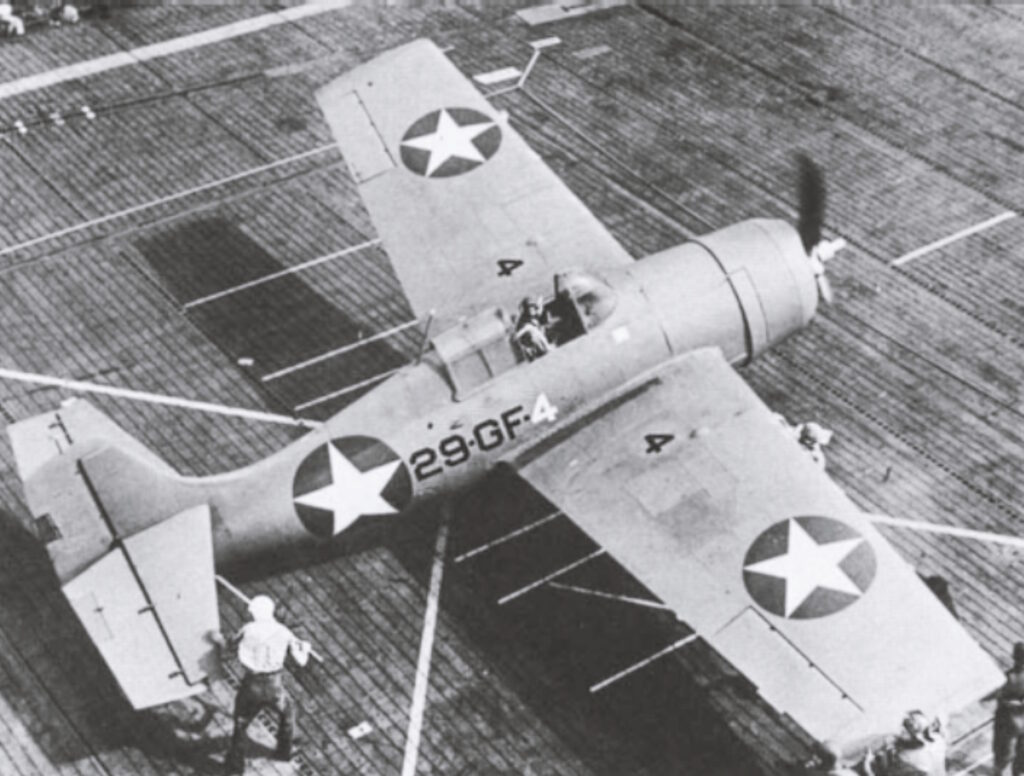
Wildcats performed a number of roles for the US Navy in addition to their main fighter mission. This F4F-4 of VGF-29 was photographed aboard USS ‘Santee’ and was assigned to spotting naval gunfire during shore bombardments. US Navy
naval procurement personnel to abandon the XF4F-1 and fund a new prototype, which received the designation XF4F-2 (G.18). The result was a much more purposeful aircraft in monoplane configuration, armed with two wing-mounted 0.5in machine guns and two upper forward fuselage 0.3in weapons. It retained the deep fuselage of the previous successful Grumman biplanes, into which the narrow main undercarriage retracted, and bore a resemblance to the competing Brewster design.
Allocated the US Navy Bureau of Aeronautics Serial Number (BuNo) 0383, the aircraft first flew on September 2, 1937. It was entered in the procurement competition which began on March 1, 1938, at Naval Air Station (NAS) Anacostia outside Washington DC. The Grumman competed well against the Brewster XF2A-1 and a Seversky entry, the P-35-derived XNF-1, but significant engine overheating problems had plagued the design from the start. The competing Brewster design was duly declared the winner in June 1938 and received production contracts to become the F2A-1.
“It was given the name Wildcat, thus
beginning the famous line of Grumman feline fleet fighters”
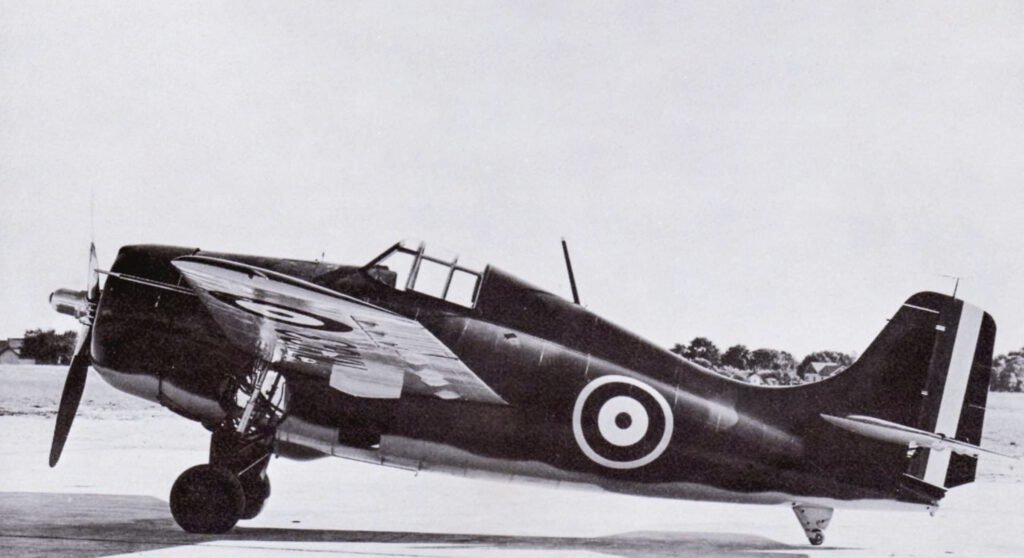
Initially intended for France, this was an early export G-36A and is wearing its temporary US registration ‘NXG3’. It became a Martlet Mk.I in Royal Navy service.
Grumman
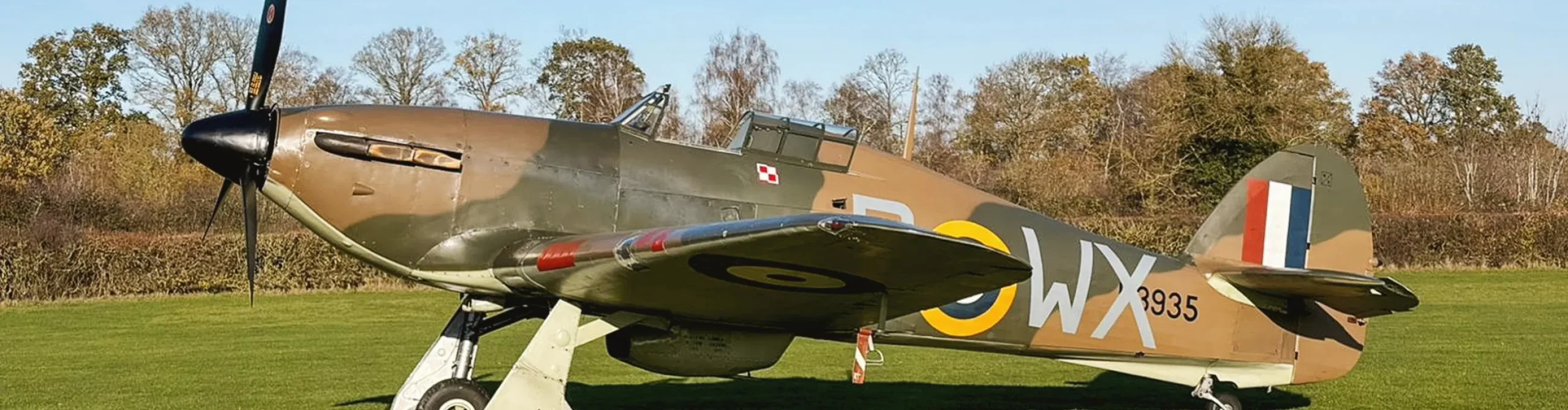
After almost 40 years at IWM Duxford, the Historic Aircraft Collection’s Hawker Hurricane G-HURI officially moved to a new home with Old Warden’s Shuttleworth Collection on November 26.
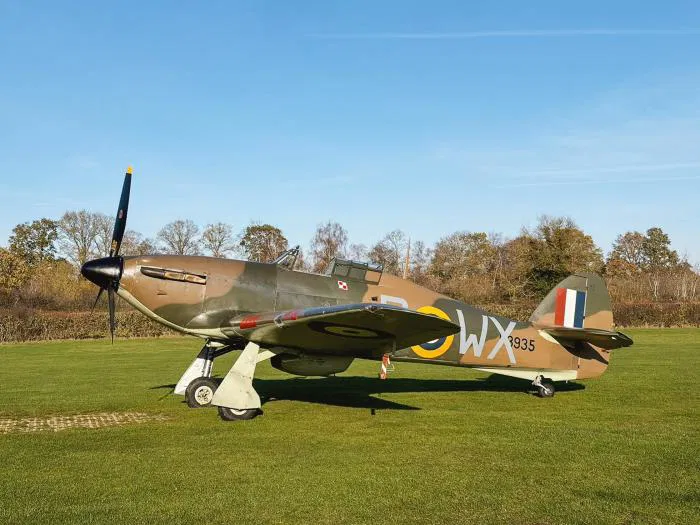
The Hurricane, which is operated under the banner of the Polish Heritage Flight, was flown to Old Warden by Dave Harvey. Now on public display at the Bedfordshire attraction, the famous aircraft will continue to wear its distinctive 302 (City of Poznan) Squadron colour scheme, honouring the unit’s time at Duxford during the Battle of Britain and maintaining a visual link to a significant history.
The move to the Shuttleworth Collection ensures the aircraft will remain airworthy and regularly displayed. Ownership will remain with the Historic Aircraft Collection and their commitment to the Polish Heritage Flight continues.

The first flight of L39 Aviation Ltd’s British Aerospace Hawk T.1 G-HAWC took place at St Athan in South Wales on December 2 with Dave Harvey and John Hurrel in the cockpit.
The former Empire Test Pilots School (ETPS) jet has been returned to flight by Horizon Aircraft Services.

Rolled out as T.1 XX342 in 1981, the Hawk was delivered to the ETPS at what is now MoD Boscombe Down in Wiltshire, adorned in the operator’s famed ‘Raspberry Ripple’ scheme. It was used for both fast jet continuation and spin training until withdrawn in 2017. Acquired by L39 Aviation two years later, it was moved to St Athan and added to the UK civil register in 2020.
The company is working alongside the CAA on a permit to test flight programme – the Hawk will relocate to L39’s base at Blackpool Airport in Lancashire to complete its certification.